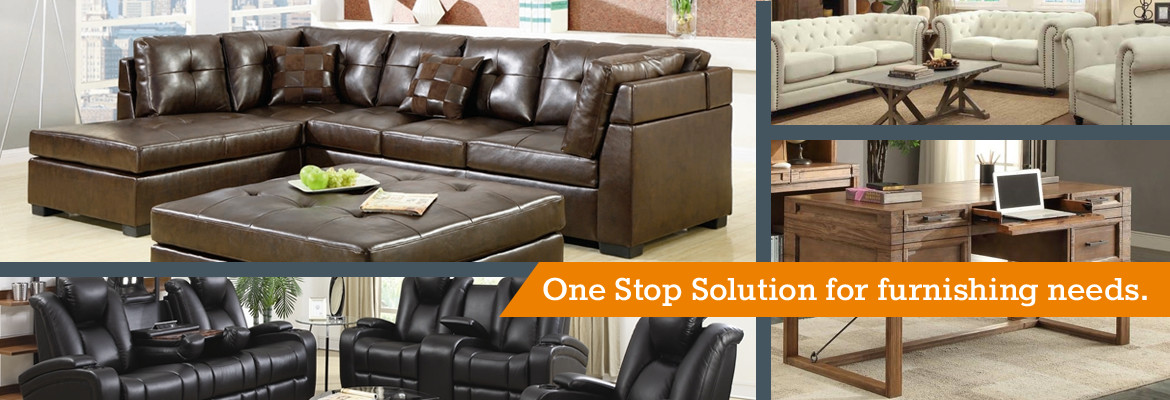

Choosing between a sofa and a sectional is one of the biggest furniture decisions you’ll make for your living room. It affects comfort, traffic flow, seating capacity, and even how spacious your room feels day to day. In 2026, living rooms are doing more than ever before they function as entertainment hubs, relaxation spaces, work zones, and social gathering areas. Because of that, the right seating choice matters far beyond appearance alone.
If you’re trying to decide between a traditional sofa and a sectional, the answer depends on your room layout, household size, lifestyle, and how you actually use the space every day. Some homes benefit from the flexibility and lighter visual footprint of a sofa, while others feel more functional and comfortable with a sectional that maximizes seating and creates a cozy lounge environment.
This guide breaks down the real-world pros and cons of each option so you can confidently choose the best setup for your living room in 2026.
Understanding the Difference Between a Sofa and a Sectional
A sofa is a single seating piece that typically accommodates two to four people. It works well in a wide variety of room layouts and is often paired with accent chairs, loveseats, or ottomans to create a complete seating arrangement.
A sectional, on the other hand, consists of multiple connected sections that form an L-shape, U-shape, or modular configuration. Sectionals are designed to maximize seating while helping define zones in larger or open-concept spaces.
Both options can look beautiful and feel comfortable, but they function differently once placed inside a real living room.
When a Sofa Is the Better Choice
A sofa is often the best option for people who want flexibility, cleaner layouts, and easier room updates over time. Sofas are especially useful in apartments, narrow living rooms, rental homes, and spaces where traffic flow is important.
One major advantage of a sofa is adaptability. You can rearrange your furniture more easily, swap chairs or tables whenever you redesign the room, and move the piece without dealing with multiple heavy sections. This flexibility becomes extremely valuable for renters or anyone who expects to move within the next few years.
Sofas also help smaller rooms feel more open. Because they usually take up less visual space than a sectional, they can make a living room appear brighter and less crowded. In narrow rooms, a sofa preserves important walking paths and prevents the room from feeling blocked off.
Another benefit is styling versatility. A sofa pairs naturally with accent chairs, nesting tables, benches, or ottomans, allowing you to create a layered and balanced furniture arrangement without overwhelming the space.
For households that prefer cleaner layouts and easier redesigns, a sofa often provides the best long-term flexibility.
When a Sectional Is the Better Choice
A sectional works best when seating capacity and lounging comfort are top priorities. Families, entertainers, and movie-night enthusiasts often prefer sectionals because they provide significantly more usable seating than a standard sofa.
In open-concept homes, sectionals are particularly effective because they help visually define the living room without needing additional furniture pieces. An L-shaped sectional naturally creates boundaries between the living area and adjacent dining or kitchen spaces, making large rooms feel more organized and intentional.
Sectionals are also ideal for people who prioritize comfort and relaxation. The extended chaise or corner seating encourages lounging, stretching out, and casual everyday use. In many homes, the sectional becomes the centerpiece for streaming, gaming, reading, or spending time together as a family.
Modern modular sectionals are especially popular in 2026 because they solve one of the biggest historical complaints: lack of flexibility. Many newer designs allow you to rearrange sections, reverse chaise positions, or expand seating later if your needs change.
For larger households or entertainment-focused living rooms, a sectional often creates the most comfortable and inviting environment.
Room Size and Layout Matter More Than You Think
The size and shape of your room should heavily influence your decision.
In long or narrow living rooms, a sofa usually performs better because it keeps pathways open and prevents the room from feeling overcrowded. Pairing a sofa with lightweight chairs often creates a more balanced layout than trying to squeeze in a bulky sectional.
However, a sectional can absolutely work in a smaller room if you choose the right size and configuration. Compact sectionals with slimmer arms and reversible chaises are designed specifically for tighter layouts. The key is ensuring the sectional replaces additional seating rather than adding unnecessary bulk.
For open-concept homes, sectionals often feel more natural because they anchor the room visually. Instead of floating separate pieces throughout the space, a sectional creates one cohesive seating zone that feels intentional and organized.
Before buying either option, it’s important to measure carefully. Maintain at least 30–36 inches of walking clearance around major pathways so the room remains comfortable and easy to navigate.
Comfort and Everyday Use in 2026
Comfort expectations have changed significantly in recent years. In 2026, buyers care less about formal living-room aesthetics and more about long-term usability.
People spend more hours streaming content, gaming, working remotely, and relaxing at home than they did a decade ago. Because of this, seating depth, cushion support, and lounging comfort now play a much bigger role in buying decisions.
Sectionals typically excel at full-body lounging because they offer chaise extensions and deeper corner seating. They’re ideal for households where multiple people regularly stretch out at the same time.
Sofas, however, often provide better posture support and easier conversation layouts. They also encourage more balanced seating arrangements instead of everyone clustering into one corner.
Your lifestyle should determine which type of comfort matters most.
Delivery, Moving, and Long-Term Flexibility
One major factor many shoppers overlook is delivery logistics.
Sofas are generally easier to move through staircases, elevators, and tight hallways. They’re also easier to reposition if you decide to redesign the room later.
Traditional sectionals can be challenging because large connected pieces may not fit through entryways easily. That’s why modular sectionals have become increasingly popular in 2026. These designs ship in smaller pieces, making delivery, moving, and future rearranging much simpler.
If you move frequently or rent your home, a sofa may offer less stress over time. If you plan to stay in one place for years and want maximum comfort, a sectional can feel like a worthwhile investment.
Common Mistakes People Make
One of the most common mistakes is buying oversized furniture without measuring the room properly. A sectional that looks perfect online can completely overwhelm a small space once delivered.
Another common issue is ignoring traffic flow. Furniture should never force people to squeeze awkwardly between tables or walk directly through the TV viewing area.
Many buyers also focus too heavily on style while ignoring function. Deep cushions may look luxurious in a showroom but can become uncomfortable for shorter users over time. Likewise, trendy fabrics may not hold up well in homes with pets or children.
Before purchasing, think about how the furniture will function during everyday life — not just how it photographs online.
Sofa vs Sectional: Which Is Better?
There isn’t one universal winner. The best choice depends entirely on how your living room functions.
A sofa is usually the better option if you:
Have a smaller or narrower room
Want layout flexibility
Move frequently
Prefer a lighter, more open look
Like mixing chairs and accent seating
A sectional is usually the better option if you:
Need maximum seating
Host guests frequently
Have an open-concept layout
Prioritize lounging and movie nights
Want a cozy, entertainment-focused setup
The most successful living rooms in 2026 are designed around real routines, not showroom displays.
Final Thoughts
When deciding between a sofa and a sectional, focus on how you actually live in your space every day. Think about movement, comfort, entertainment habits, household size, and long-term flexibility before making a decision.
Measure carefully, map out your layout with painter’s tape, and choose the option that improves both function and comfort for years to come. A well-planned seating setup can completely transform the way your living room feels and functions.
If you’re ready to upgrade your living room furniture in 2026, contact us today to explore seating solutions that combine comfort, style, durability, and modern functionality for every type of home.

Excellent post. I appreciate finding useful discussions online, and Super Kamagra is a topic many men explore due to its combination formula for erection support and improved timing. Proper guidance and responsible use should always be considered.
ReplyDelete