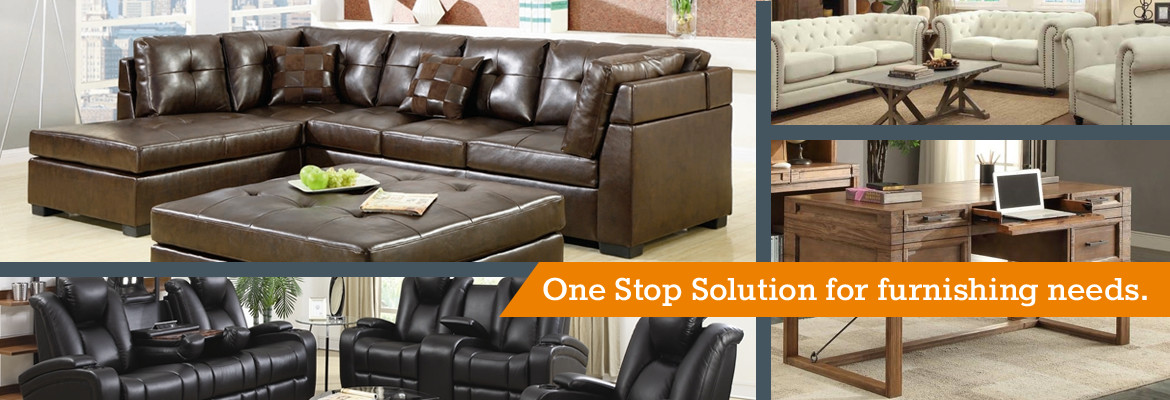

A well-designed living room is not only about buying stylish furniture. The arrangement of the furniture plays an equally important role in how comfortable, functional, and visually balanced the space feels every day. Many living rooms feel crowded, awkward, or unfinished simply because the layout does not support the way people actually use the room.
In 2026, living rooms serve multiple purposes. They are no longer only spaces for entertaining guests. Modern living rooms now function as movie spaces, gaming areas, relaxation zones, reading corners, and even temporary workspaces. Because of this, furniture arrangement has become far more important than simply choosing matching pieces.
Learning how to arrange living room furniture properly helps improve traffic flow, TV viewing comfort, conversation areas, and overall room balance. Even small layout adjustments can make a room feel larger, cleaner, and more inviting without purchasing entirely new furniture.
Start By Identifying The Main Purpose Of The Living Room
Before moving furniture around, it is important to understand how the room will actually be used most often. Some families prioritize movie nights and television viewing, while others care more about conversation, entertaining guests, or creating a quiet relaxation area.
Trying to make every seat perfect for every activity often creates a cluttered and uncomfortable layout. Instead, focus on one primary purpose for the room and allow secondary functions to support that main goal naturally.
For example, if the living room is mainly used for streaming movies and gaming, the furniture should prioritize TV viewing angles and comfortable seating positions. If the room is more focused on social gatherings and conversation, the seating should encourage face-to-face interaction rather than directing everything toward the television.
Understanding the primary use of the room makes furniture placement decisions much easier and prevents the layout from feeling chaotic.
Measure The Space Before Rearranging Furniture
One of the biggest mistakes homeowners make is moving furniture without measuring the room first. Even beautiful furniture can feel overwhelming when the proportions are wrong.
Before arranging the space, measure:
Room length and width
Door swings and entryways
Window placement
Existing walkways
Wall space for televisions or shelving
Furniture dimensions
These measurements help prevent blocked walkways and overcrowded layouts.
Proper spacing is extremely important because movement affects how comfortable a room feels. Even a large room can feel cramped if furniture interrupts natural walking paths.
Important Spacing Rules For Comfortable Layouts
Professional furniture layouts usually follow several spacing guidelines that improve comfort and visual balance.
Walkways should remain open enough for people to move naturally without bumping into furniture constantly. Tight pathways create frustration and make rooms feel smaller than they actually are.
Coffee tables should sit close enough to the sofa for easy reach while still leaving enough legroom for comfortable sitting and movement. When the coffee table is too far away, it becomes inconvenient. When it is too close, the seating area feels cramped.
Area rugs should help visually connect the seating arrangement instead of floating separately in the middle of the room. In most layouts, the front legs of major furniture pieces should sit on the rug to create a cohesive appearance.
Television placement should also support comfortable long-term viewing. A TV mounted too high often creates neck strain, especially during extended movie sessions.
Sofa Placement Rules That Improve Room Balance
The sofa is usually the largest piece of furniture in the living room, making it the natural visual anchor of the space. Correct sofa placement immediately improves the room’s balance and functionality.
One of the most important rules is avoiding blocked traffic flow. Furniture should support movement throughout the room rather than forcing people to awkwardly walk around obstacles.
In many homes, the television becomes the focal point of the room. Centering the sofa toward the TV usually creates the cleanest and most practical arrangement for modern living spaces.
However, not every living room should revolve entirely around the television. Some layouts work better when the sofa faces:
A fireplace
Large windows
A conversation area
Built-in shelving
Decorative focal points
Another common mistake is pushing every furniture piece directly against the walls. While this approach is often intended to make rooms feel larger, it can actually create an empty and disconnected appearance.
Pulling the sofa slightly away from the wall often makes the layout feel more intentional and balanced.
TV Stand Placement Tips For Better Viewing
Television placement strongly affects comfort, viewing quality, and room aesthetics.
The TV should sit at a height that feels natural while seated normally on the sofa. If viewers need to tilt their heads upward for long periods, the setup will quickly become uncomfortable.
Window glare is another important consideration. Placing the television directly across from bright windows often creates reflections that reduce picture quality during daytime viewing.
The TV stand itself should also feel proportionate to the television. A console that is too narrow underneath a large screen often looks unstable and leaves little room for media devices, gaming consoles, or soundbars.
Modern entertainment setups in 2026 also prioritize cleaner cable management. Hidden wiring and organized media storage help living rooms feel more polished and less cluttered.
Furniture Layout Ideas For Small Living Rooms
Small living rooms require smarter furniture placement because every inch matters.
Compact sofas, slimmer coffee tables, and multi-functional furniture pieces work especially well in smaller spaces. Large oversized sectionals often dominate the room and reduce movement unnecessarily.
Round coffee tables are particularly useful in small layouts because they improve traffic flow and eliminate sharp corners in tight spaces.
Wall-mounted shelves can also help free up floor space while providing storage and decorative opportunities.
In smaller living rooms, maintaining open walkways is more important than maximizing seating capacity. A room with slightly less furniture but better movement usually feels larger and more comfortable.
Best Layout Strategies For Open-Concept Living Rooms
Open-concept homes can feel difficult to arrange because there are fewer natural boundaries between spaces.
One of the easiest ways to define the living room area is by using an area rug large enough to anchor the seating arrangement. Rugs visually separate the living space from nearby dining or kitchen areas.
Sofas can also act as natural dividers in open-concept layouts. Positioning the back of the sofa toward another area helps create separation without adding walls.
Lighting is another important tool in open spaces. Floor lamps, table lamps, and accent lighting help create a more intimate atmosphere inside larger rooms.
Common Living Room Layout Mistakes
Many living room problems come from a few very common arrangement mistakes.
Using rugs that are too small often makes furniture feel disconnected and visually awkward. Larger rugs generally create a more luxurious and balanced appearance.
Oversized furniture is another frequent issue. Furniture should match the scale of the room rather than overpower it.
Poor traffic flow also creates frustration. People should be able to move comfortably throughout the room without squeezing between furniture pieces constantly.
Another mistake is relying only on overhead lighting. Layered lighting creates a much warmer and more comfortable atmosphere.
Living Room Trends Influencing Layouts In 2026
Living room design trends in 2026 focus heavily on flexibility, comfort, and entertainment-centered layouts.
Modular furniture continues growing in popularity because it allows homeowners to easily reconfigure seating for movie nights, guests, or changing room needs.
Larger televisions and improved sound systems are also influencing furniture arrangements. More living rooms are now centered around immersive viewing experiences.
Many homeowners are also choosing cleaner and more minimal entertainment setups with hidden storage, organized cables, and simplified media walls.
Comfort remains the biggest priority overall. Modern living rooms are being designed to feel warm, inviting, and practical rather than overly formal.
Frequently Asked Questions
How do I arrange living room furniture around a TV?
Place the TV where viewing angles feel comfortable, then arrange the primary seating directly toward it while keeping pathways open and unobstructed.
Should furniture always go against the wall?
No. Pulling furniture slightly away from walls often creates a more balanced and professionally designed appearance.
What is the ideal distance between a sofa and coffee table?
The coffee table should remain close enough for easy reach while still leaving enough room for comfortable leg movement.
How can I make a small living room look bigger?
Use compact furniture, maintain clear walkways, improve lighting, and avoid overcrowding the space with too many large pieces.
Where should a TV stand be placed?
The TV stand should support comfortable viewing angles, minimize glare, and allow enough room for media devices and cable organization.
Are sectionals good for small living rooms?
Some compact sectionals work well, but oversized sectionals can overwhelm smaller spaces quickly.
How do I improve traffic flow in my living room?
Keep natural walking paths open and avoid placing furniture where people constantly need to squeeze around it.
What type of lighting works best in living rooms?
Layered lighting using floor lamps, table lamps, and accent lighting usually creates the most comfortable atmosphere.
Conclusion
Learning how to arrange living room furniture properly can completely transform the comfort and functionality of your space. A thoughtful layout improves movement, conversation, TV viewing, and overall room balance without requiring expensive renovations.
The best living room layouts in 2026 focus on flexibility, comfort, and realistic daily use. Instead of simply copying showroom arrangements, create a setup that supports your household’s lifestyle and routines.
Start by measuring the room carefully, defining the room’s primary purpose, and arranging furniture in a way that supports both comfort and movement. Even small layout changes can make a dramatic difference in how the room feels every day.
Contact us today for expert help with living room furniture layouts, entertainment setups, and stylish furniture solutions designed to make your home more functional and comfortable.

No comments:
Post a Comment