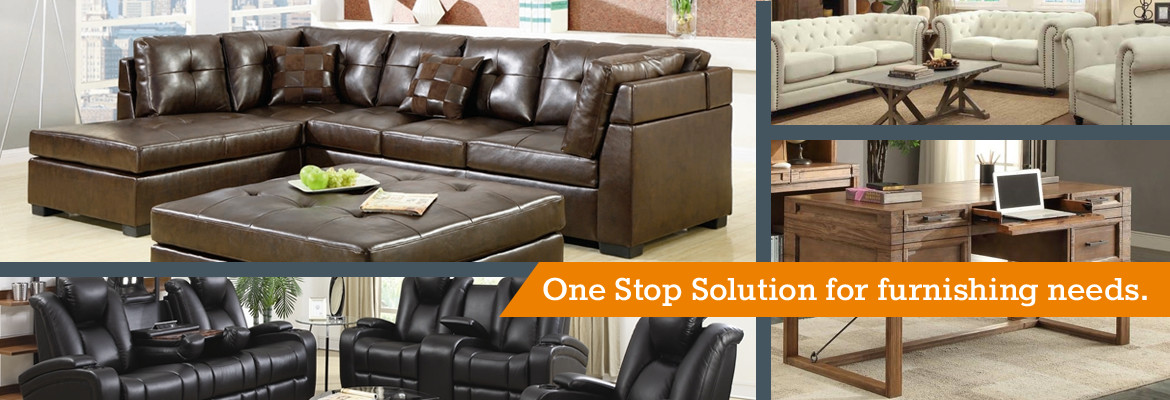

Dining room storage ideas buffet solutions can help homeowners create a more organized, functional, and visually appealing dining space. Whether you have a large formal dining room or a compact eating area, adding the right storage furniture can make everyday living easier while keeping essential items within reach.
When exploring dining room storage ideas buffet options, it is important to balance practicality with design. Buffets and sideboards offer dedicated storage for dinnerware, serving pieces, linens, and decorative items while enhancing the overall appearance of the room. With thoughtful planning and creative organization, these versatile furniture pieces can maximize available space without compromising style.
Why Buffets and Sideboards Are Ideal for Dining Room Storage
Dining rooms often accumulate a variety of items, including dishes, glassware, table linens, serving trays, candles, and seasonal decorations. Without adequate storage, these items can quickly create clutter.
Buffets and sideboards provide several advantages:
Additional storage without requiring major renovations
Easy access to dining essentials
Improved room organization
Decorative display opportunities
Enhanced functionality for entertaining guests
Both furniture pieces serve similar purposes, although sideboards are generally lower and longer, while buffets may include taller storage sections or hutches.
Understanding the Difference Between Buffets and Sideboards
Feature | Buffet | Sideboard |
|---|---|---|
Common Placement | Dining rooms | Dining rooms, living rooms, hallways |
Height | Often taller | Usually lower |
Storage Capacity | High | Moderate to high |
Display Space | Larger surface area | Streamlined surface |
Design Styles | Traditional to modern | Modern, transitional, classic |
Regardless of the style chosen, both options offer valuable sideboard storage and organizational benefits.
Essential Items to Store in a Buffet or Sideboard
Before organizing your furniture, identify the items that need dedicated storage.
Dinnerware and Serving Pieces
Buffets and sideboards are ideal for storing:
Plates
Bowls
Serving platters
Specialty dishes
Serving utensils
Keeping these items nearby makes meal preparation and entertaining more efficient.
Glassware Collection
Store frequently used and special-occasion glassware in designated cabinets or drawers.
Examples include:
Wine glasses
Water glasses
Champagne flutes
Cocktail glasses
Proper organization helps prevent breakage and simplifies access.
Table Linens
Dining rooms often require storage for:
Tablecloths
Napkins
Placemats
Runners
Using drawer dividers can keep linens neatly folded and easy to find.
Seasonal Dining Accessories
Many homeowners use buffets for storing:
Holiday serving dishes
Seasonal centerpieces
Decorative candles
Entertaining supplies
This approach keeps seasonal items organized while freeing up storage space elsewhere in the home.
Practical Buffet Cabinet Ideas for Better Organization
Creative buffet cabinet ideas can transform ordinary furniture into highly functional storage centers.
Use Drawer Organizers
Drawer inserts help separate:
Flatware
Serving utensils
Napkin rings
Small dining accessories
Organized drawers reduce clutter and improve accessibility.
Add Storage Baskets
Baskets can help categorize items while maintaining a clean appearance.
Consider using them for:
Cloth napkins
Seasonal décor
Extra candles
Entertaining supplies
Install Shelf Risers
Shelf risers create additional vertical storage inside cabinets.
Benefits include:
Better visibility
Increased storage capacity
Easier organization of dishes and bowls
Label Storage Sections
Simple labels can help family members quickly locate and return items to their proper place.
This method is especially useful for larger dining rooms with extensive storage needs.
Stylish Dining Room Storage Ideas Using Buffets
Storage furniture does not need to be purely functional. Buffets can also serve as decorative focal points.
Create a Display Area
Use the top surface to display:
Artwork
Decorative trays
Plants
Lamps
Family photographs
A well-styled buffet adds personality and visual interest to the room.
Incorporate Symmetry
Balanced arrangements often create a more polished appearance.
For example:
Matching lamps on both ends
Identical vases
Coordinated decorative accessories
This approach works particularly well in formal dining spaces.
Mix Storage and Décor
Combine practical and decorative elements by displaying:
Elegant serving pieces
Decorative bowls
Coffee table books
Seasonal accents
This strategy maximizes both functionality and aesthetics.
Maximizing Sideboard Storage in Small Dining Rooms
Limited square footage does not mean sacrificing storage.
Choose Multi-Purpose Furniture
Select sideboards that offer:
Cabinets
Drawers
Adjustable shelving
Multi-functional designs provide flexibility as storage needs change.
Utilize Vertical Space
When possible, add:
Floating shelves above the sideboard
Wall-mounted cabinets
Decorative storage units
These additions complement existing sideboard storage while preserving floor space.
Store Less Frequently Used Items
Reserve sideboard interiors for items that are not needed daily.
Examples include:
Holiday dinnerware
Extra serving trays
Specialty glassware
This keeps everyday items accessible while reducing clutter.
Buffet Cabinet Ideas for Modern Homes
Modern dining spaces often favor clean lines and minimal clutter.
Hidden Storage Designs
Many contemporary buffets feature:
Push-to-open cabinets
Concealed compartments
Minimal hardware
These designs create a streamlined appearance while offering substantial storage.
Neutral Finishes
Popular modern finishes include:
White
Gray
Black
Natural wood tones
These colors blend easily with various interior styles.
Integrated Lighting
Some modern units include built-in lighting that highlights decorative displays and improves visibility inside storage compartments.
These innovative buffet cabinet ideas combine style with functionality.
Organizing Your Buffet for Everyday Use
Effective organization ensures your storage furniture remains practical over time.
Keep Frequently Used Items Accessible
Store everyday essentials in the most convenient locations.
Examples include:
Daily dishes
Drinking glasses
Flatware
Placemats
Rotate Seasonal Items
Periodically update storage contents to match current needs.
For example:
Holiday items during festive seasons
Outdoor entertaining accessories during summer
Declutter Regularly
Review stored items every few months.
Ask:
Is this item still used?
Does it belong in the dining room?
Can it be donated or relocated?
Routine maintenance prevents overcrowding.
Common Mistakes to Avoid
While buffets and sideboards offer excellent storage potential, certain mistakes can reduce their effectiveness.
Overloading Cabinets
Excessive weight can damage shelves and make items difficult to access.
Ignoring Vertical Space
Unused vertical space often represents missed storage opportunities.
Shelf risers and stackable organizers can help maximize capacity.
Storing Unrelated Household Items
Avoid turning dining furniture into general household storage.
Keeping storage focused on dining-related items improves organization and accessibility.
Neglecting Appearance
Even highly functional furniture should contribute positively to the room's design.
A balanced combination of storage and decoration creates the best results.
Choosing the Right Buffet or Sideboard
Before purchasing storage furniture, consider the following factors:
Room Size
Measure available space carefully to ensure proper fit and comfortable movement around the room.
Storage Requirements
Evaluate:
Number of dishes
Serving pieces
Entertaining supplies
Seasonal items
This helps determine the required storage capacity.
Interior Style
Select furniture that complements existing décor.
Popular styles include:
Modern
Farmhouse
Traditional
Transitional
Scandinavian
Material Durability
Quality materials often provide longer-lasting performance.
Common options include:
Solid wood
Engineered wood
Metal accents
Glass elements
Conclusion
Implementing dining room storage ideas buffet solutions can significantly improve both organization and functionality within the home. Buffets and sideboards provide practical storage for dinnerware, linens, glassware, and entertaining essentials while contributing to the room's overall design.
Whether exploring creative buffet cabinet ideas or optimizing existing sideboard storage, homeowners can create a dining space that remains organized, efficient, and visually appealing. By selecting the right furniture, maximizing available storage, and maintaining thoughtful organization, dining rooms can become more practical and enjoyable for everyday use and special occasions alike.
Ready to upgrade your dining room storage? Explore different buffet and sideboard styles that match your space, storage needs, and interior design preferences. Choosing the right storage furniture can help create a more organized dining area while enhancing both functionality and visual appeal for everyday living and entertaining.
Frequently Asked Questions
What is the difference between a buffet and a sideboard?
A buffet is typically used in dining rooms and may be slightly taller, while a sideboard is generally lower and can be used in multiple areas of the home. Both provide valuable storage and serving space.
What should I store in a dining room buffet?
Common items include dinnerware, serving dishes, glassware, table linens, candles, and seasonal dining accessories.
Are sideboards suitable for small dining rooms?
Yes. Many compact sideboards offer efficient storage while taking up minimal floor space, making them ideal for smaller dining areas.
How can I maximize sideboard storage?
Use shelf risers, storage baskets, drawer organizers, and vertical storage solutions to increase capacity and improve organization.
What are some popular buffet cabinet ideas for modern homes?
Modern options often include hidden storage, minimalist designs, neutral finishes, and integrated lighting to enhance both functionality and appearance.

No comments:
Post a Comment